 (Image via
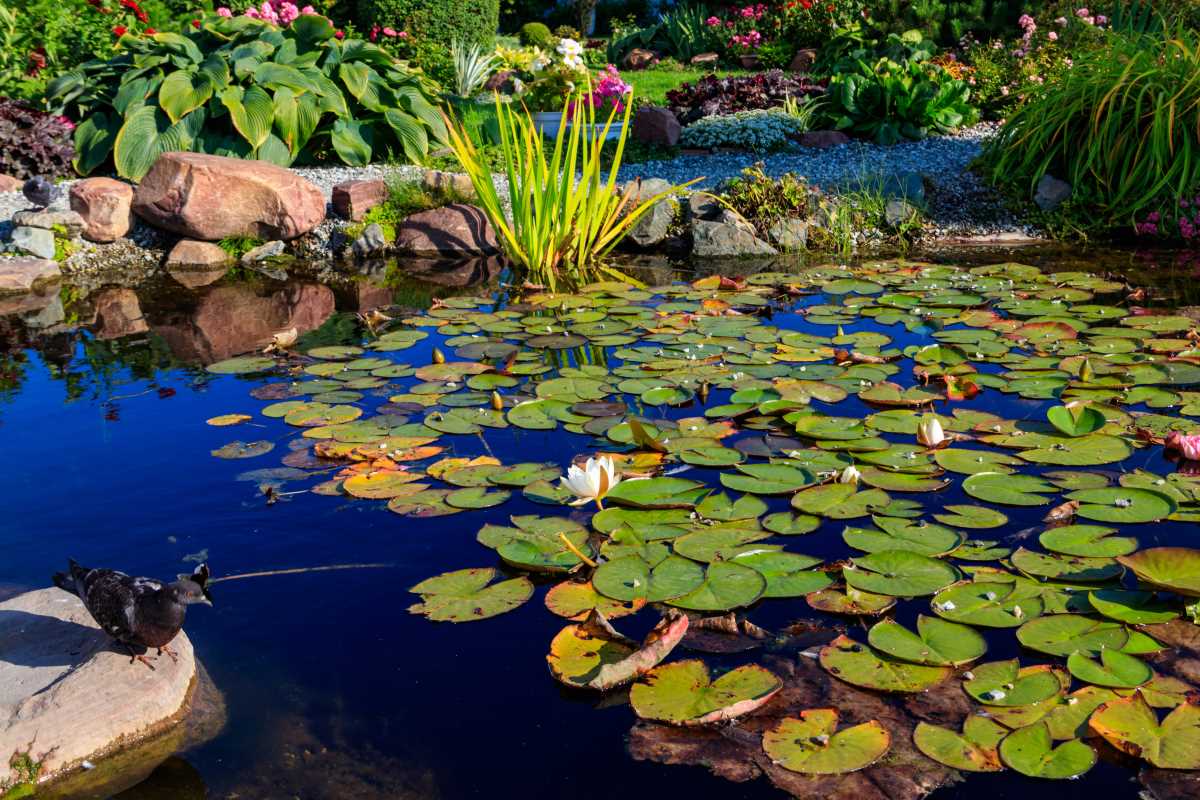
There is something undeniably magical about water in a garden. It adds a layer of sound, movement, and reflection that plants alone simply cannot achieve. Whether it’s the gentle splash of a waterfall or the quiet stillness of a mirror-like surface, a pond transforms a backyard into a sanctuary. While there are many ways to build a water feature, few methods rival the timeless beauty of natural stone. A pond edged with rugged, irregular rocks looks like it has always been there, a secret spring bubbling up from the earth rather than a plastic tub dropped into a hole. Designing a backyard pond with natural stone edges is a project that marries engineering with artistry, allowing you to create a focal point that is both rugged and refined. It invites local wildlife, supports aquatic plants, and provides a peaceful spot for morning coffee or evening contemplation. If you are ready to trade the noise of the neighborhood for the sound of nature, building a stone-edged pond is the perfect weekend project.
Planning Your Personal Oasis
Before you grab a shovel, you need a plan. The success of a pond relies heavily on its location. You want a spot that gets enough sun to keep water lilies happy (usually about six hours a day) but not so much that algae blooms take over. Avoid placing your pond directly under large deciduous trees. While the shade is nice, the constant rain of falling leaves in autumn will turn your water maintenance into a nightmare.
Consider the viewing angles. You want to be able to see and hear your pond from your favorite spots—perhaps from the kitchen window or the patio. Use a garden hose or a length of rope to lay out the shape on the ground. Organic, kidney-bean shapes tend to look more natural than perfect circles or rectangles, especially when you are using irregular stone edges. Once you are happy with the outline, mark it with spray paint. This is also the time to call your local utility companies to ensure you won't be digging into any gas, water, or electric lines.
Digging In and Laying the Foundation
Excavation is the most labor-intensive part of the process, so pace yourself. As you dig, create shelves or terraces at different depths. A shallow shelf around the perimeter (about 9-12 inches deep) is crucial for your stone edging and for marginal plants like irises or marsh marigolds. Deeper zones (18-24 inches) are needed for water lilies and fish, giving them a place to hide from predators and cooler water during hot summers.
Once the hole is dug and any sharp roots or rocks are removed, line the excavation with a protective underlayment. This fabric cushions the waterproof liner against punctures. Next comes the EPDM rubber liner. Don't skimp here; buy a high-quality, fish-safe liner that is durable and flexible. Lay it loosely over the hole, pleating and folding it as necessary to fit the contours. Do not trim the excess liner yet; you will need plenty of overlap to secure the edges under your stone work.
The Art of the Stone Edge
Now comes the fun part: the rock work. The goal of a natural stone edge is to hide the black rubber liner completely and create a seamless transition between the water and the surrounding garden. This is where your artistic eye comes into play.
Start by placing larger, flat boulders on the shallow internal shelf you dug earlier. These submerged rocks help lock the liner in place and provide a base for the visible edge rocks. For the main edging, choose a variety of stone sizes. Using rocks that are all the same size can look like a distinct "necklace" around the pond, which looks artificial. Instead, mix large, medium, and small stones to mimic a natural shoreline.
Fit the stones together like a puzzle. Some should overhang the water slightly to create shadows and hiding spots for fish. Others should be set back slightly to allow plants to creep over the edge. Use flat flagstones for areas where you might want to stand or sit, and rounder fieldstones for aesthetic variation. As you place the heavy edging stones, fold the excess liner up behind them and backfill with soil to hold everything tight. This creates a barrier that prevents surface runoff from washing dirt into your clean pond water.
Softening the Hardscape with Plants
Rock is beautiful, but plants bring the pond to life. The key to a natural look is to soften the transition between the stone edge and the rest of the garden. Use creeping plants like creeping Jenny, stonecrop, or moss to grow over and between the rocks. Their foliage will break up the hard lines of the stone and help the pond settle into the landscape.
In the shallow water shelf, plant marginals like rushes, sedges, or pickerelweed. These plants thrive with their roots in the water and their foliage in the air, blurring the line where the water ends and the land begins. Add floating plants like water lettuce or lilies to shade the water surface, which helps keep the water cool and reduces algae growth.
Keeping the Water Crystal Clear
Maintenance is the final piece of the puzzle. A pond with a good balance of plants, fish, and filtration will largely take care of itself, but it does need some help. A pump and skimmer box are essential for keeping the water moving and removing debris before it sinks and decays.
Keep an eye on evaporation levels, especially in summer, and top off the pond as needed. In the fall, netting the pond to catch falling leaves is a huge time-saver. Regularly check your stone edges to ensure no rocks have shifted and that soil isn't washing into the water. Over time, moss and lichen will naturally colonize your stones, adding a patina of age that makes your backyard pond feel like an ancient, natural feature of the landscape.