 (Image via
For many gardeners, flowers are grown purely for their beauty—to add a splash of color to a border or to create a beautiful bouquet for the dining table. But what if those same vibrant petals could also add color, flavor, and a touch of whimsy to your plate? The practice of eating flowers is not a new foodie trend; it dates back thousands of years to ancient Roman, Greek, and Chinese cultures. Today, sprinkling petals on a salad or freezing them into ice cubes is a simple way to elevate your home cooking from ordinary to extraordinary. It’s the ultimate form of garden-to-table dining, connecting your landscape directly to your kitchen. Growing edible flowers opens up a new world of culinary creativity, allowing you to garnish, flavor, and decorate your dishes with the beautiful blooms you’ve nurtured yourself. If you’re ready to look at your flower beds as an extension of your pantry, let’s explore some of the best and tastiest flowers you can grow and cook with.
Safety First: Know Before You Nibble
Before we dive into the delicious options, a critical word of caution is necessary. Not all flowers are edible. In fact, some common garden flowers like foxglove, lily-of-the-valley, and oleander are highly toxic. It is absolutely essential that you correctly identify any flower before you eat it.
Here are a few golden rules:
- Never eat a flower unless you are 100% certain of its identity and that it is edible.
- Only eat flowers that have been grown organically, without the use of chemical pesticides or fungicides.
- Do not eat flowers picked from the side of the road or from a florist, as they are likely treated with chemicals.
- Introduce new flowers to your diet in small amounts to make sure you don't have an allergic reaction.
- Generally, you should eat only the petals. Remove the pistils and stamens from the center of the flower, as they can be bitter and may contain pollen that triggers allergies.
Classic Edible Flowers to Grow
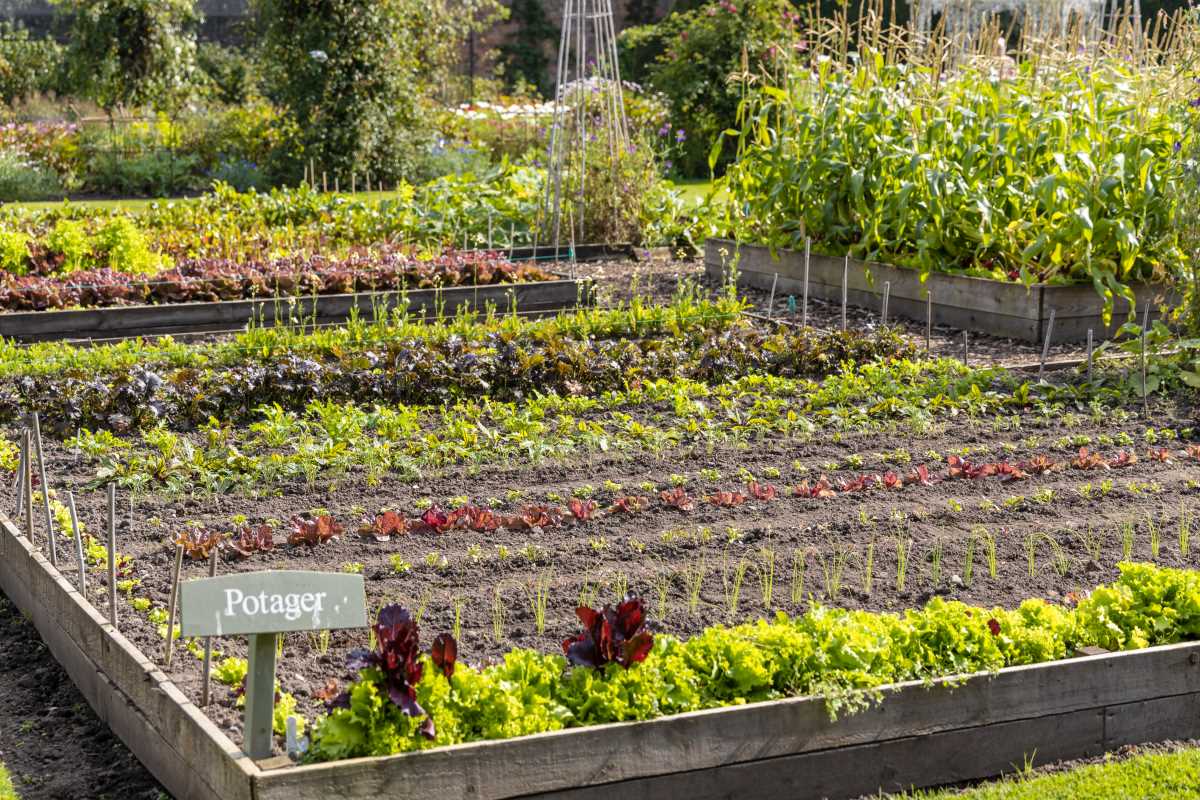
Many of the best edible flowers are also some of the easiest to grow, making them perfect for beginners. They can be tucked into your existing vegetable beds or grown in containers on a sunny patio.
Nasturtiums (Tropaeolum majus)
If you only grow one edible flower, make it nasturtiums. The entire plant—leaves, stems, and flowers—is edible. The flowers have a wonderful, peppery flavor, similar to watercress or radishes. Their bright orange, yellow, and red blooms are a stunning addition to salads, and the tender leaves can be used in place of lettuce. You can even pickle the immature seed pods to create a "poor man's caper."
Pansies and Violas (Viola x wittrockiana, Viola tricolor)
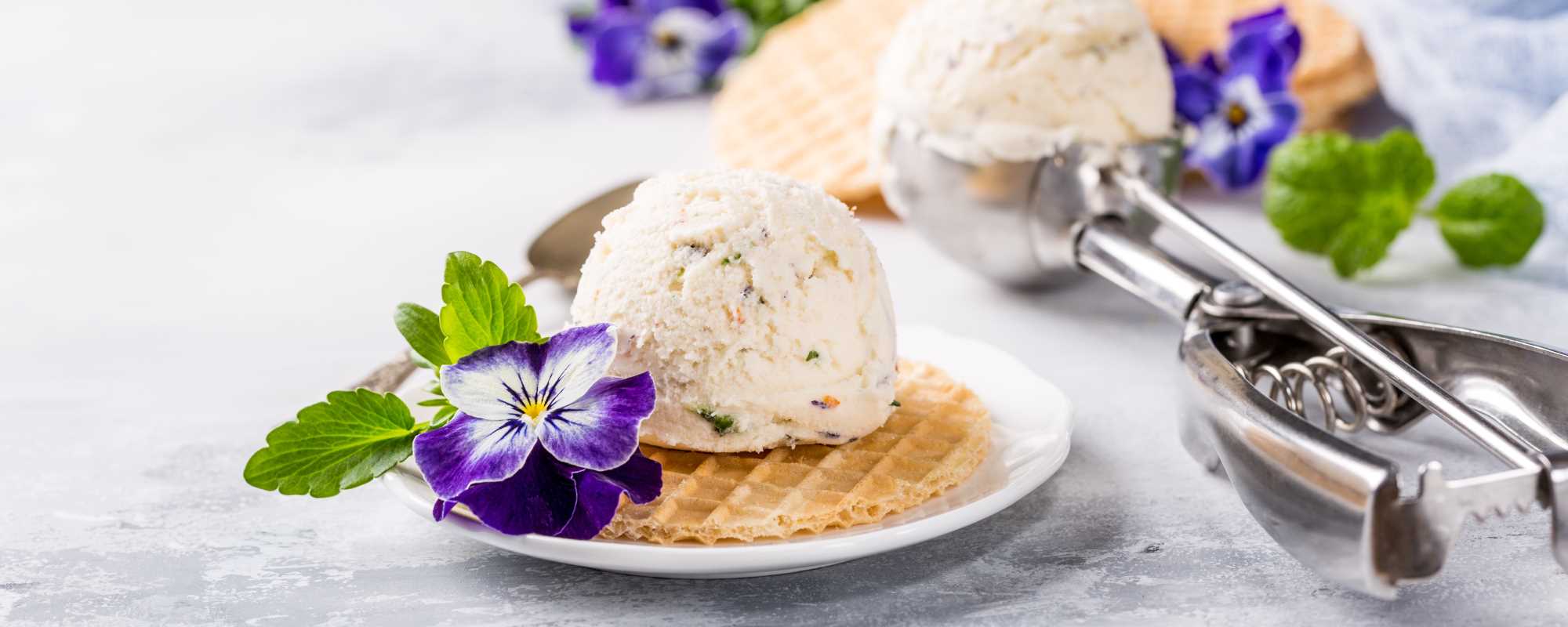
With their cheerful, painted faces, pansies and violas are a delight in the garden and on the plate. Their flavor is very mild, slightly sweet, and grassy. This subtlety makes them incredibly versatile. They are perfect for candying to decorate cakes and pastries, freezing into ice cubes for a beautiful addition to summer drinks, or simply tossing into a fruit salad for a pop of color.
Borage (Borago officinalis)
This herb is a must-have in any culinary garden. Its star-shaped, brilliant blue flowers have a refreshing, cucumber-like flavor. They are a classic garnish for gin and tonics, Pimm's Cups, and lemonade. The flowers are also delicious when floated in cold soups like gazpacho or mixed into a simple yogurt dip.
Herbaceous Blooms with Flavor
Many of our favorite culinary herbs also produce delicious flowers. Letting a few of your herb plants go to flower provides food for pollinators and tasty garnishes for you.
Chives: The fluffy, purple blossoms of chive plants taste like a delicate version of the leaves. They have a mild onion flavor that is wonderful when sprinkled over scrambled eggs, baked potatoes, or salads. You can also infuse them in white vinegar to create a beautiful and flavorful dressing.
Basil: If you let a basil plant flower, you'll be rewarded with spikes of small white or purple blossoms. These flowers carry the same pungent, sweet flavor as the leaves, but in a more concentrated form. Use them to garnish pasta dishes, pizzas, or any dish where you would use basil leaves.
Dill: The feathery yellow flowers of the dill plant, known as dill umbels, have a more intense flavor than the fronds. They are traditionally used in pickling, but you can also snip the tiny individual flowers and sprinkle them over fish dishes, potato salads, or roasted vegetables.
Harvesting and Preparing Your Blooms
The best time to harvest your edible flowers is in the cool of the morning, after the dew has dried but before the sun gets too hot. This is when their water content and flavor are at their peak. Choose flowers that have just fully opened and look fresh and vibrant.
Gently shake each flower to dislodge any insects that might be hiding inside. To prepare them for eating, wash them gently in a bowl of cool water and let them air dry on a paper towel. For most larger flowers like roses, nasturtiums, and calendula, you'll want to separate the petals from the base of the flower, which can be bitter. For smaller blooms like borage and violas, you can use the whole flower.