 (Image via
A garden pathway is so much more than just a way to get from point A to point B without getting mud on your shoes. It is the circulatory system of your outdoor space, guiding the eye and the foot on a journey through your personal landscape. A well-designed path invites exploration, creates a sense of flow, and adds a crucial layer of structure and personality to your garden. While a simple line of concrete pavers or a swath of gravel certainly gets the job done, your pathways offer a fantastic opportunity to inject creativity and charm into your yard. Thinking beyond the basic materials can transform a purely functional element into a stunning design feature. Whether you want to create a rustic woodland trail, a whimsical mosaic walk, or a sleek modern runway, the right pathway can elevate your entire garden from a collection of plants to a cohesive and beautiful experience. Let's explore some unique ideas to turn your garden walkways from simple gravel to absolutely gorgeous.
The Enduring Charm of Natural Stone
Natural stone is the quintessential material for a classic garden path, and for good reason. It’s durable, timeless, and settles into the landscape as if it has always been there. But you can move beyond simple, uniform flagstones.
For a rustic, cottage-garden feel, consider using irregularly shaped flagstones set directly into the lawn. This "floating stone" look creates a gentle, meandering path that feels organic and informal. The key is to set the stones just below the level of the soil so you can easily run a lawnmower over them.
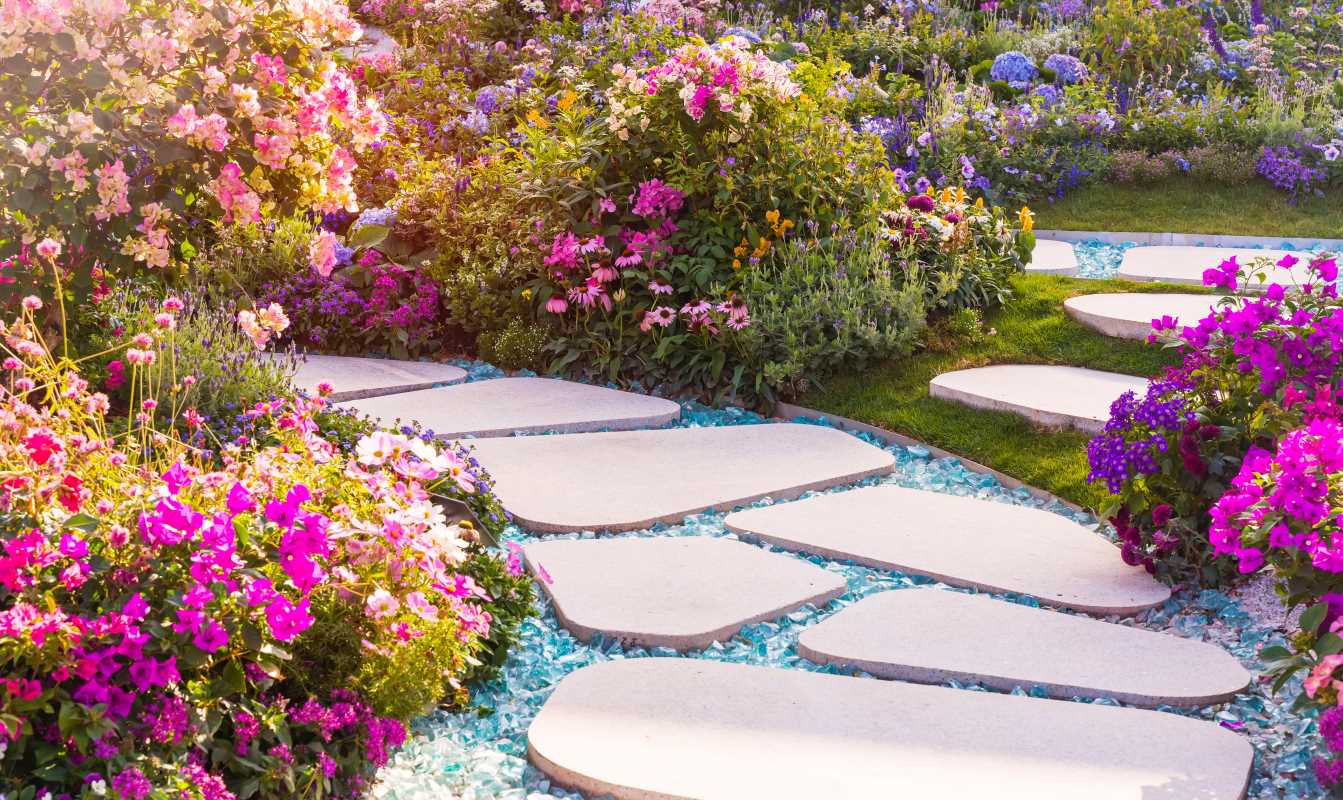
Alternatively, for a more polished look that still feels natural, lay flagstones in a bed of pea gravel or decorative stone chips. The contrast between the large, flat stones and the small, textured gravel creates a beautiful visual and a satisfying crunch underfoot. You can fill the gaps with a contrasting color of gravel to make the stones pop, or a similar color for a more subtle effect. This method also provides excellent drainage.
Weaving Patterns with Pavers and Bricks
Pavers and bricks offer a world of creative possibilities beyond a simple running bond pattern. These materials are perfect for creating intricate designs that can become a focal point in their own right.
A classic herringbone pattern, where bricks are laid in interlocking "V" shapes, adds a sense of movement and sophistication. It’s a timeless look that works well for both formal and cottage-style gardens. For something a bit more unique, try a basket-weave or a pinwheel pattern. These more complex designs can turn a straight walkway into a piece of art.
Don't be afraid to mix materials. Combining brick pavers with cut bluestone or another type of paver can create beautiful borders and inlays. A simple brick edge around a gravel path, for instance, gives it a clean, finished look and helps keep the gravel contained.
The Art of the Mosaic Path
If you are feeling particularly artistic, a mosaic pathway is a stunning way to personalize your garden. This is a project that allows you to upcycle old materials and create something truly one-of-a-kind. You can use broken pieces of colorful tile, old pottery, smooth sea glass, or even bottle caps set into wet concrete or mortar.
Start small if you are new to mosaics. You can create a few decorative stepping stones first to get the hang of the technique before tackling a full path. Sketch out your design beforehand. You can go for an abstract swirl of colors or a more literal image, like a sunburst or a winding river. A mosaic path is a labor of love, but the result is a breathtaking feature that tells a story and reflects your personality.
Embracing Wood for a Softer Touch
Wood brings a warmth and softness to the garden that is hard to replicate with stone or concrete. While not as permanent as stone, certain types of wood can create beautiful and long-lasting pathways.
Wood slices, or "tree cookies," cut from a log can be set into a bed of sand or mulch to create a charming, rustic trail. Use a naturally rot-resistant wood like cedar, black locust, or redwood. The varying sizes and grain patterns of the wood slices add incredible texture and character.
For a more formal and modern look, a simple boardwalk-style path made from deck boards can be very effective. This is an excellent solution for traversing wet or boggy areas of your garden. A raised wooden path that winds through a lushly planted garden bed can create a feeling of immersion, as if you are floating through the foliage.
Living Pathways and Groundcovers
Who says a path can’t be alive? A "living" pathway that incorporates tough, low-growing plants is a beautiful way to soften the hardscape and blur the lines between path and garden. Plant creeping thyme, dwarf mondo grass, or Irish moss between your stepping stones. These plants can handle light foot traffic and will release a lovely scent when you walk on them.
This approach works best for secondary paths that don’t receive heavy, constant use. The greenery softens the edges of the stones and makes the path feel like an integral part of the garden ecosystem. Ensure the plants you choose are suited to your climate and the amount of sun the pathway receives.
No matter which material you choose, a thoughtfully designed pathway will do more than just guide your steps. It will shape your experience of the garden, revealing new views and creating moments of beauty along the way.