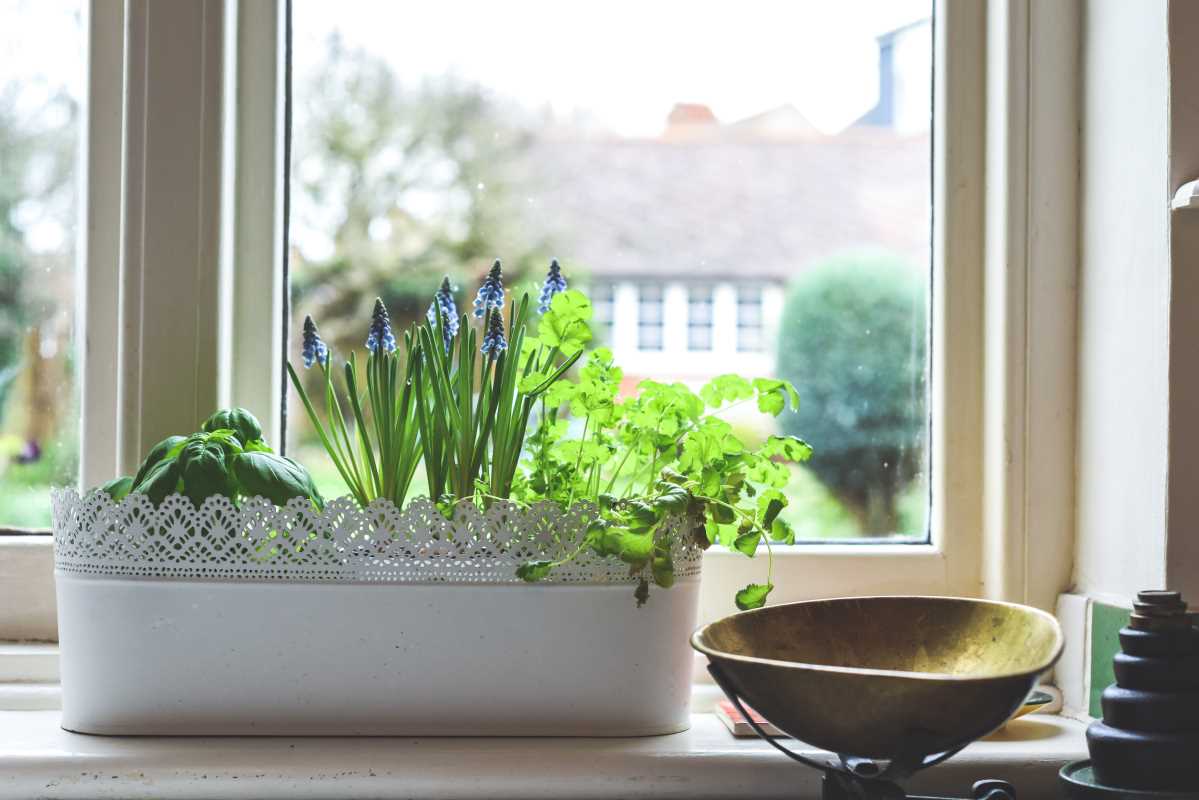
 (Image via
There’s a special kind of magic in snipping fresh herbs right from a living plant and tossing them into a simmering sauce or over a finished dish. That burst of vibrant, aromatic flavor is something that dried herbs from a jar simply cannot replicate. For many, this experience seems reserved for those with sprawling outdoor gardens and a favorable climate. But the truth is, you don’t need a backyard to have access to fresh ingredients year-round. An indoor herb garden is a simple, rewarding project that brings the joy of gardening right into your kitchen, regardless of the season or the size of your living space. It’s a small-scale farm on your windowsill, a fragrant and beautiful addition to your home that doubles as a culinary powerhouse. Imagine having fresh basil for your pasta, mint for your tea, or rosemary for your roasted potatoes, all just an arm's length away. Growing herbs indoors is not only convenient but also surprisingly easy, connecting you more deeply to the food you cook and infusing your home with life and flavor. This guide will cover everything you need to start your own thriving indoor herb garden.
The Importance of Light
Before you even think about which herbs to grow, you need to identify the best location in your home. The single most crucial factor for a successful indoor herb garden is light. Most herbs are sun-lovers and need at least six to eight hours of bright, direct sunlight each day to flourish. Without adequate light, they will become weak, "leggy" (stretching towards the light source), and lose the concentration of essential oils that gives them their potent flavor.
The ideal location is a south-facing window, as it provides the most intense and longest-lasting light throughout the day. If you don't have a south-facing window, a west-facing one is the next best option, offering strong afternoon sun. An east-facing window can also work for less demanding herbs, providing gentle morning light. North-facing windows typically do not offer enough light for most herbs to thrive.
What if you don’t have a sunny window? Don't worry, you can still have a fantastic herb garden by supplementing with artificial light. A simple and affordable solution is to use a full-spectrum grow light. These are specifically designed to mimic the natural light spectrum of the sun. You can find them in various forms, from single bulbs that fit into a standard desk lamp to sleek LED panels that can be mounted under a kitchen cabinet. Position the light about 6 to 12 inches above your plants and keep it on for 12 to 16 hours a day. Using a simple outlet timer can automate this process, making it completely hands-off.
The Best Herbs for Indoor Growing
While you can try to grow almost any herb indoors, some are much better suited to container life than others. For beginners, it’s best to start with herbs that are relatively compact and less demanding. Here are some of the most reliable choices for an indoor garden.
- Basil: The quintessential kitchen herb. Basil loves warmth and bright light. A pot of basil on the windowsill not only smells amazing but provides endless leaves for pesto, Caprese salads, and pasta sauces.
- Mint: Mint is famously vigorous and easy to grow. In fact, it's so aggressive that it's often better to grow it in a pot to keep it contained. Keep it well-watered, and you'll have a steady supply for teas, cocktails, and desserts. Always grow mint in its own pot, as its roots will quickly take over any shared container.
- Chives: A member of the onion family, chives are incredibly easy to grow from seed or a small plant. Their grassy, delicate onion flavor is perfect for sprinkling over eggs, soups, and potatoes. They tolerate slightly lower light conditions than other herbs and will regrow quickly after being snipped.
- Parsley: Whether you prefer curly or flat-leaf parsley, it's a fantastic choice for an indoor garden. It does well in bright, indirect light and provides a fresh, clean flavor that brightens up countless dishes.
- Rosemary: This woody, Mediterranean herb loves sunlight and dry conditions. A small rosemary plant in a pot looks like a miniature Christmas tree and provides intensely fragrant needles for roasted meats, vegetables, and breads. Be careful not to overwater it.
- Thyme: Another sun-loving herb that prefers to be on the drier side. Its tiny, aromatic leaves are essential in stocks, stews, and roasts. English thyme or lemon thyme are both excellent choices for indoor pots.
Setting Up for Success: Pots, Soil, and Water
Once you've chosen your location and your herbs, it's time to set up their new home. The right container and soil are just as important as light.
Choosing Your Containers
Almost any container can work as long as it has one non-negotiable feature: drainage holes. Without proper drainage, water will pool at the bottom of the pot, leading to root rot, which is a swift death sentence for most herbs. Terracotta pots are an excellent choice because the porous clay allows the soil to dry out more evenly, reducing the risk of overwatering. If you prefer ceramic or plastic pots for their look, just ensure they have holes at the bottom. The pot should be large enough to accommodate the herb's root system, but not so large that the soil stays wet for too long. A 6- to 8-inch diameter pot is a great starting size for most individual herbs.
The Right Soil Mix
Do not use soil from your outdoor garden. It is too heavy, can compact easily in a pot, and may contain pests or diseases. Instead, use a high-quality, sterile potting mix designed for containers. This mix is light, airy, and formulated to provide good drainage while retaining just enough moisture. For Mediterranean herbs like rosemary, thyme, and oregano that prefer even sharper drainage, you can amend your potting mix by adding a handful of perlite or coarse sand.
Watering Wisely
Overwatering is the most common mistake made by new indoor gardeners. Herbs do not like to have consistently wet "feet." The best strategy is to water deeply but infrequently. Check the soil by sticking your finger about an inch deep. If it feels dry to the touch, it's time to water. When you do water, pour water over the soil until it runs out of the drainage holes at the bottom. This ensures the entire root ball gets hydrated. Discard any excess water that collects in the saucer beneath the pot. How often you'll need to water will depend on the light, temperature, and humidity in your home, so it's always better to check the soil rather than watering on a strict schedule.
Harvesting for Health and Flavor
The best part of growing your own herbs is harvesting them. Regular harvesting not only provides you with fresh ingredients but also encourages the plant to become bushier and more productive.
For leafy herbs like basil, mint, and parsley, never just pull off individual leaves. Instead, use clean scissors or your fingers to snip off stems just above a set of two leaves. This will encourage the plant to branch out from that point, creating a fuller plant. You can regularly harvest up to one-third of the plant at a time without causing it any stress. For woody herbs like rosemary and thyme, you can snip off sprigs as needed. Regular pruning helps maintain their shape and prevents them from becoming too woody and sparse.