 (Image via
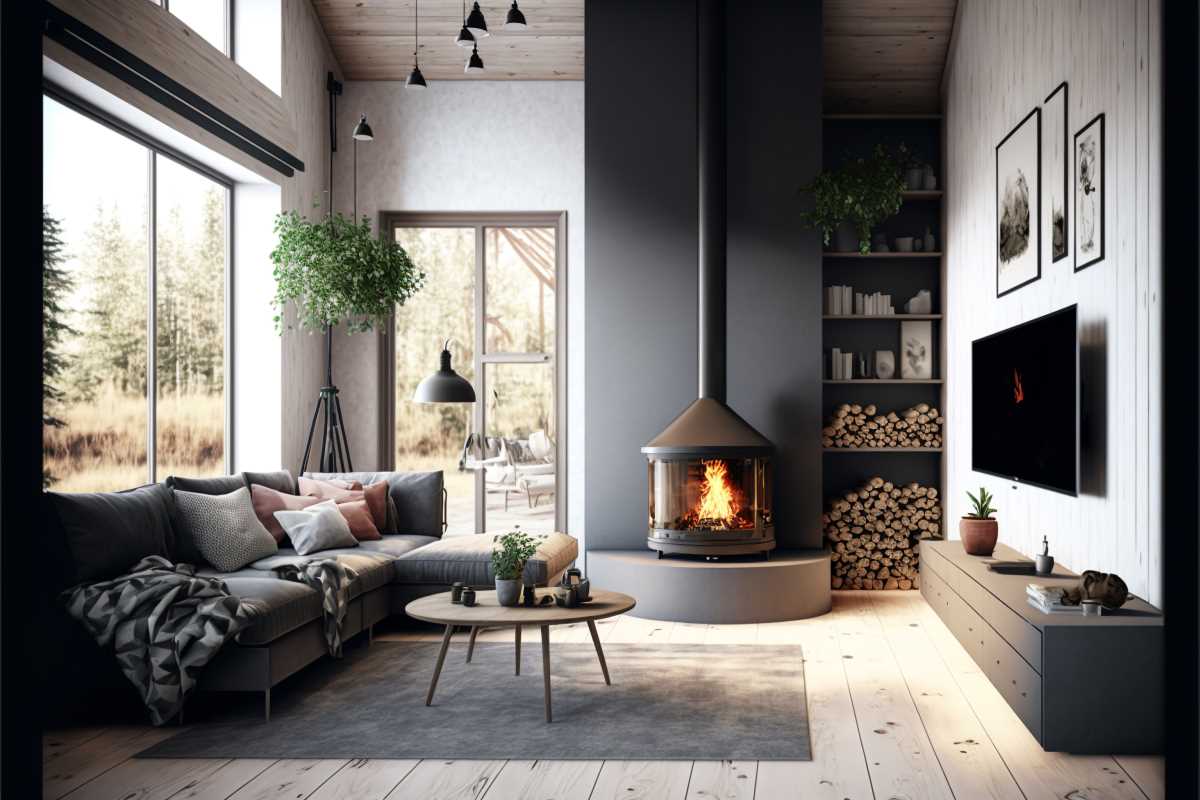
Have you ever walked into a room that felt instantly warm and welcoming, even if the color scheme was simple? Chances are, that room was a masterclass in texture. While we often focus on color and furniture layout when decorating, texture is the unsung hero of interior design. It’s the element you can feel, both physically and visually. It’s what makes a space feel layered, interesting, and deeply comfortable. A room filled with only smooth, flat surfaces can feel cold and sterile, no matter how beautiful the colors are. By learning how to mix and match different textures, you can add depth, warmth, and personality to your living space, transforming it from a show-room into a cozy, lived-in home. This is the secret to creating a room that doesn't just look good, but feels good too.
What Is Texture in Interior Design?
In the world of home decor, texture refers to the surface quality of an object. It’s how something feels to the touch, or how it looks like it would feel. We can categorize texture in two ways: physical texture and visual texture.
Physical texture is literal—you can feel it. Think of the roughness of a brick wall, the softness of a velvet pillow, the chunky knit of a throw blanket, or the smooth, cool surface of a marble coffee table. These are tactile qualities that add tangible comfort and interest to a room.
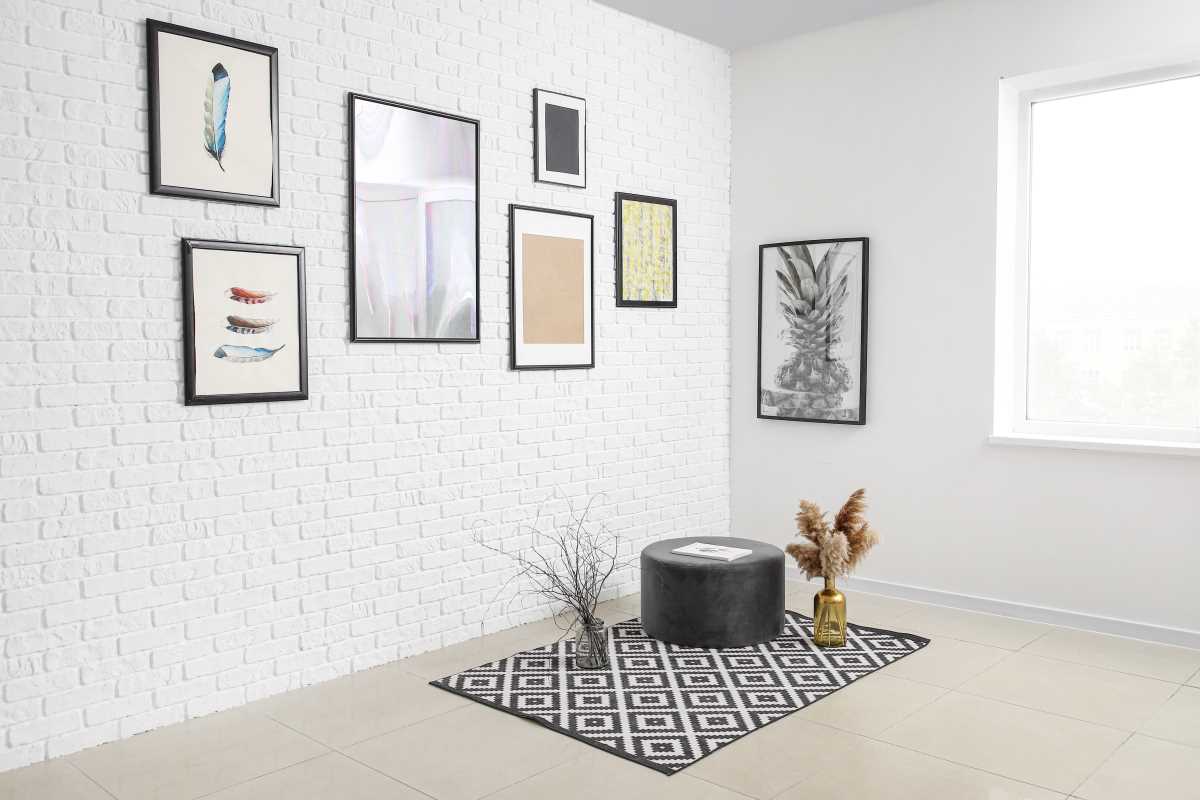
Visual texture, on the other hand, is the perceived texture created by a pattern. A wallpaper with a busy floral print, a rug with a geometric design, or a piece of wood with a prominent grain all have visual texture. They create the illusion of surface variation and prevent a space from feeling flat. A truly cozy and dynamic room uses a blend of both physical and visual textures.
Start with a Neutral Foundation
The idea of mixing a dozen different textures might sound chaotic, but the key to making it work is to start with a relatively simple color palette. When you keep your main colors neutral, you give your textures room to shine without overwhelming the senses. A living room with walls painted in a soft white, beige, or gray provides the perfect canvas.
Your largest furniture pieces, like your sofa, should also lean toward the neutral side. A simple gray or cream-colored couch is a versatile base that you can layer upon. With a calm backdrop in place, the varied textures you introduce will stand out for their feel and form, rather than competing with a loud color scheme. This approach makes the room feel cohesive and sophisticated, not cluttered.
Layer, Layer, and Layer Again
Layering is the most important technique for mixing textures effectively. Think of dressing your room the same way you would dress yourself on a cold day—in layers. Each layer adds warmth, dimension, and interest.
Start with the largest surfaces and work your way down. Your floor is the first layer. If you have hardwood or tile floors (a smooth, hard texture), lay down a large, soft area rug. A plush wool rug or a natural jute rug immediately adds warmth and softness underfoot. On your sofa, start with a base of simple pillows and then add more with different textures. Mix a smooth cotton pillow with a fuzzy sherpa one, a velvet cushion, and maybe one with a woven, nubby fabric. Drape a chunky knit throw blanket over the arm of the sofa or the back of a chair. These layers create a rich, tactile experience that invites you to snuggle in.
Create Contrast with Opposites
The secret to a compelling textural palette is contrast. Just like in a good story, you need a little tension to make things interesting. The goal is to balance different types of textures—soft and hard, rough and smooth, shiny and matte. This interplay of opposites is what creates visual depth and sophistication.
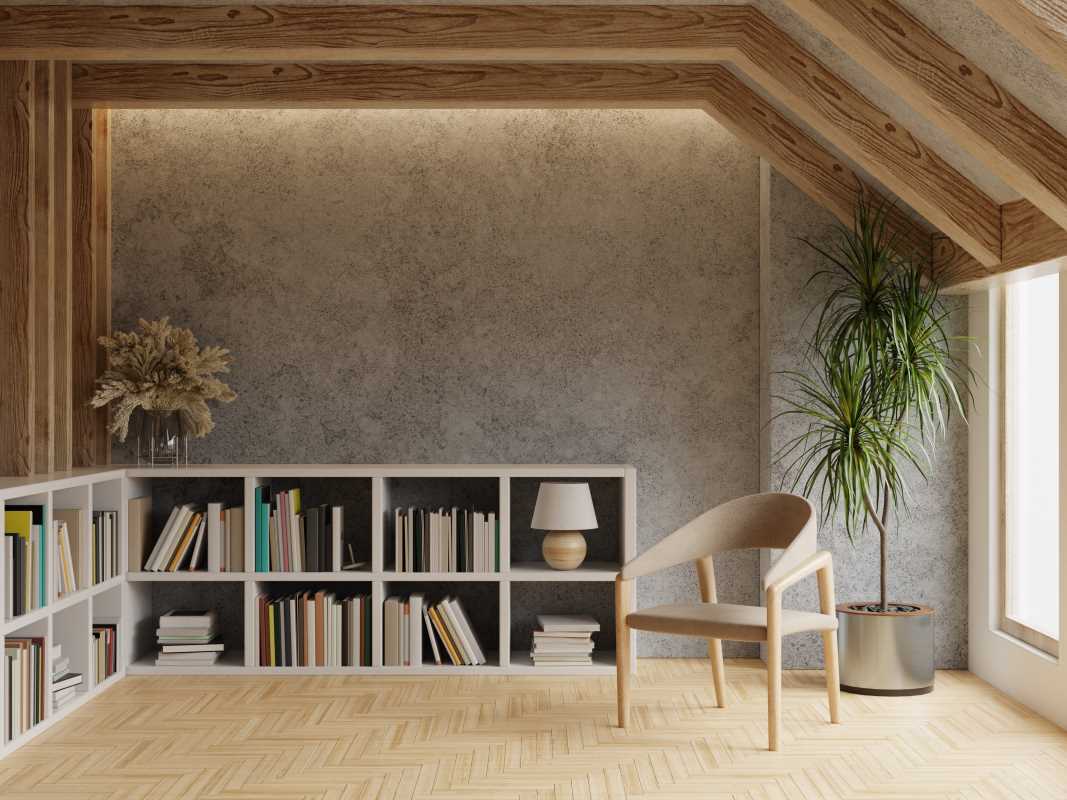
For example, if you have a sleek leather sofa (smooth, shiny), soften it with a fluffy faux fur pillow (soft, matte). Place a rough, raw wood bowl on top of a smooth, polished marble coffee table. Hang a woven tapestry or a macrame piece on a smooth, painted wall. Pair a shiny metal floor lamp with a linen lampshade. Each element highlights the unique qualities of the one next to it, making both textures more noticeable and impactful.
Don't Forget About Plants and Natural Elements
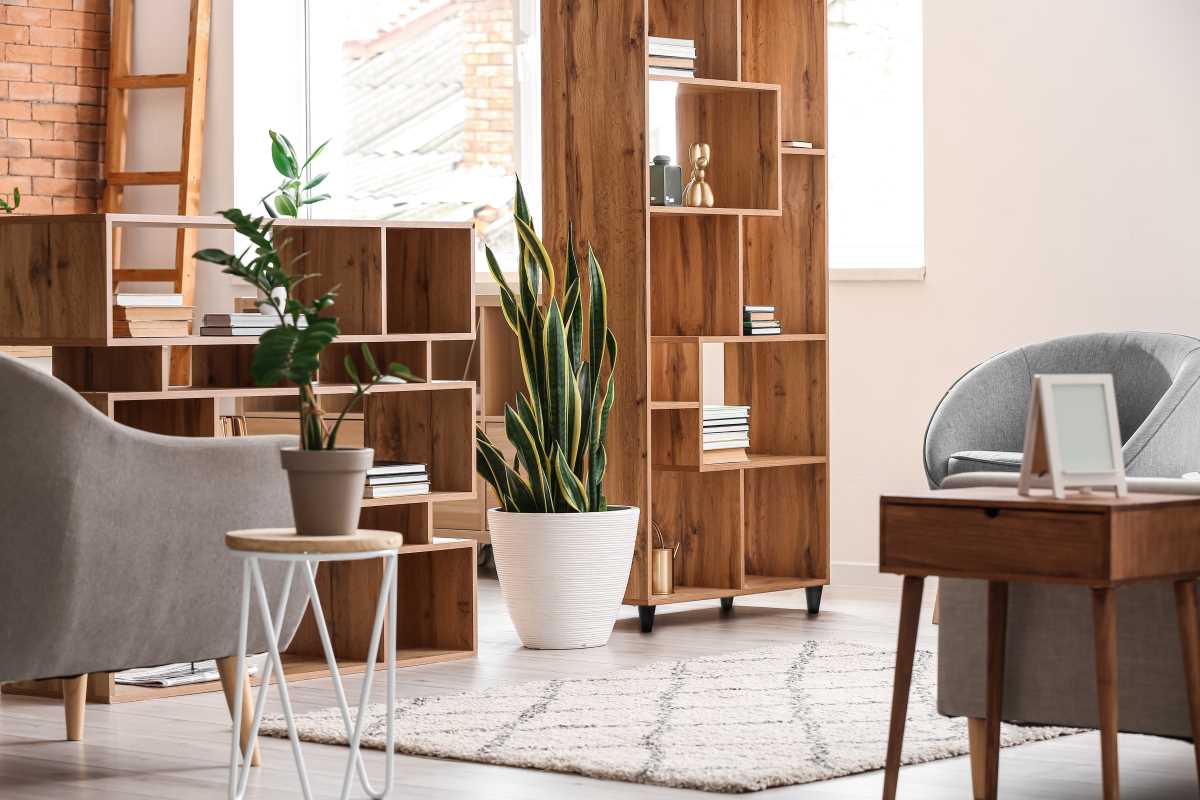
Nature is the ultimate master of texture, and bringing natural elements indoors is one of the easiest ways to add organic texture to your living space. The glossy, waxy leaves of a fiddle leaf fig, the feathery fronds of a fern, or the spiky silhouette of a snake plant all introduce unique forms and textures.
Beyond living plants, incorporate other natural materials. Fill a vase with a bundle of dried pampas grass or eucalyptus branches. Use woven baskets made of seagrass or rattan for storing blankets or magazines. A wooden side table with a prominent grain, a stone coaster, or a collection of seashells in a bowl all contribute to the textural story of your room, making it feel more grounded and connected to the outside world.