 (Image via
The living room is the heart of the home. It’s where we relax after a long day, gather with family, entertain friends, and binge-watch our favorite shows. But what happens when this central space feels… off? You might have beautiful furniture and a color scheme you love, but if the room is awkward to move through, difficult to have a conversation in, or simply feels cramped and unbalanced, it’s not living up to its potential. This feeling is often a problem of "flow"—the invisible pathways we use to navigate a space and how the furniture arrangement either helps or hinders that movement.
Poor flow can turn a welcoming room into a frustrating obstacle course. It’s the coffee table you constantly bump your shin on, the narrow gap you have to squeeze through to get to the sofa, or the feeling that you have to shout across the room to talk to someone. The good news is that you don’t need new furniture or a major renovation to fix it. Rearranging your living room is a free, high-impact project that can completely transform its functionality and feel. By thinking like a designer and focusing on movement, conversation, and balance, you can unlock your living room’s true potential and create a space that is as comfortable and practical as it is beautiful.
Understanding the Principles of Good Flow
Before you start pushing your sofa around, it’s helpful to understand what "good flow" actually means in interior design. It comes down to a few key principles that dictate how we interact with a space.
First is the concept of pathways. Every room has natural entry and exit points. A well-designed room has clear, unobstructed pathways between these points. Imagine drawing lines from each doorway to the others. These are your main traffic arteries, and they should be wide enough for people to walk through comfortably without weaving around furniture. A general rule of thumb is to allow at least 30-36 inches of width for major walkways.
Second is purpose. Good flow supports the intended activities of the room. In a living room, the primary purpose is usually relaxation and conversation. Your furniture arrangement should facilitate this. Can people sitting on different pieces of furniture easily talk to each other without straining their necks? Is there a convenient place to set down a drink? If the layout fights against the room's purpose, the flow will feel wrong.
Finally, there’s balance. This refers to the visual weight of your furniture and how it’s distributed throughout the room. If all your heavy, bulky furniture is clustered on one side, the room will feel lopsided and unbalanced, which can subconsciously disrupt the sense of flow. Good flow involves distributing furniture in a way that feels harmonious and visually stable.
Step 1: Empty and Evaluate Your Space
The most effective way to start any rearrangement project is with a blank slate. While it might seem like a lot of work, taking everything out of the room—or at least moving all the smaller items out and pushing the large furniture to the walls—is a crucial first step. This allows you to see the room’s architecture, its true size, and its natural focal points without being biased by your current layout.
Once the space is clear, take a moment to evaluate.
- Identify the Focal Point: What is the main feature of the room? It could be an architectural element like a fireplace or a large window with a beautiful view. If the room doesn't have a natural focal point, you can create one with a large piece of art or the television. Your primary furniture arrangement will be oriented around this point.
- Map the Traffic: As mentioned earlier, identify the main traffic paths. Where are the doorways? Are there openings to other rooms? Make a mental note of these "desire lines" and commit to keeping them clear.
- Measure Everything: Get out a tape measure. Measure the dimensions of the room, and measure your largest pieces of furniture (sofa, armchairs, coffee table). You can sketch a quick floor plan on a piece of paper or use a free online room planner tool. This will save you the frustration of trying to fit a sofa into a spot where it simply won’t go.
Step 2: Build Your Primary Conversation Area
The core of any living room is the conversation area. This is where you’ll place your main seating. The goal is to create an intimate, comfortable grouping that encourages interaction.
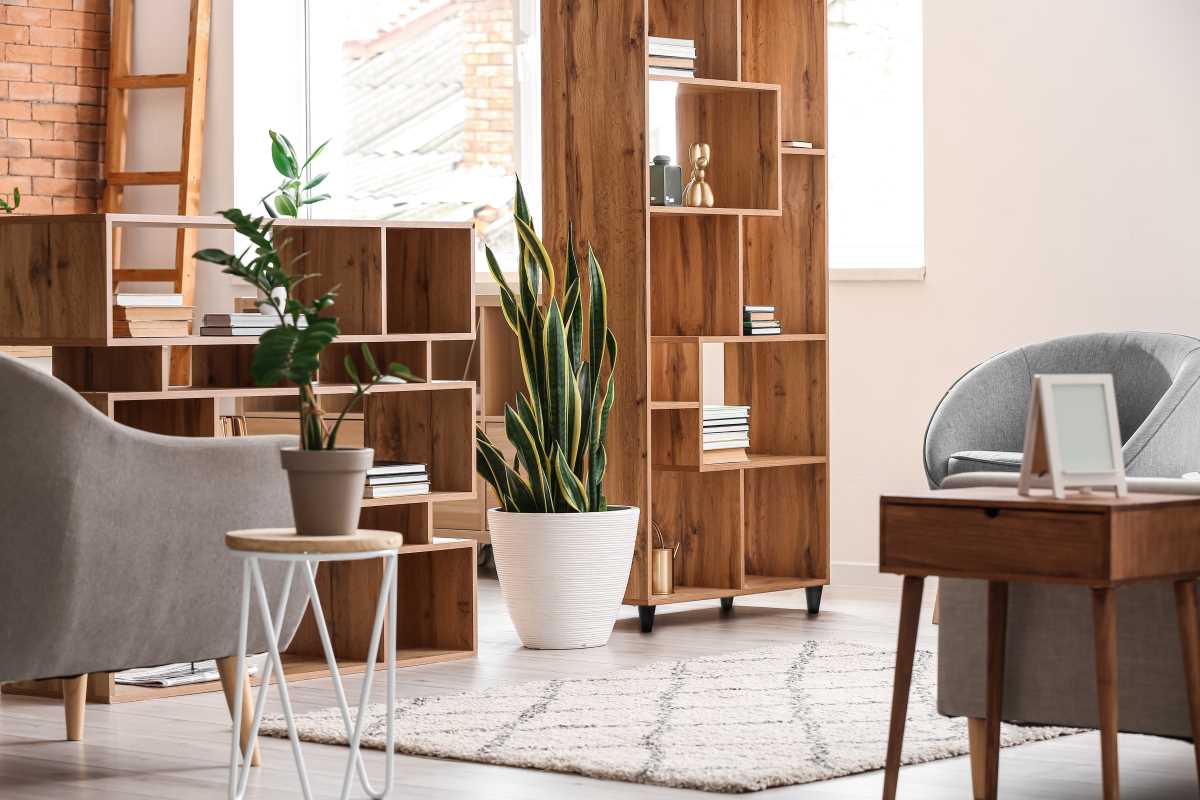
Start by placing your largest seating piece, usually the sofa. The best placement is often facing the focal point or along the longest wall. However, don’t be afraid to "float" your sofa in the middle of the room. Pulling furniture away from the walls is one of the most effective tricks for making a room feel larger and more professionally designed. It creates breathing room and helps define the conversation zone, especially in an open-concept space.
Next, add your other seating, such as armchairs or a loveseat. The ideal arrangement places seating in a rough U-shape or an H-shape, with pieces facing each other. The distance between seating pieces is critical. A good rule is to keep them no more than 8 feet apart to facilitate easy conversation at a normal volume.
Your coffee table should be placed in the center of this grouping. It serves as an anchor and a shared surface. Aim for about 14-18 inches of space between the coffee table and the sofa to allow enough legroom while still keeping it within easy reach.
Step 3: Create Secondary Zones (If Space Allows)
If you have a larger living room, you can dramatically improve its flow and functionality by creating secondary zones. This breaks up a large, cavernous space into smaller, more purposeful areas. A secondary zone could be:
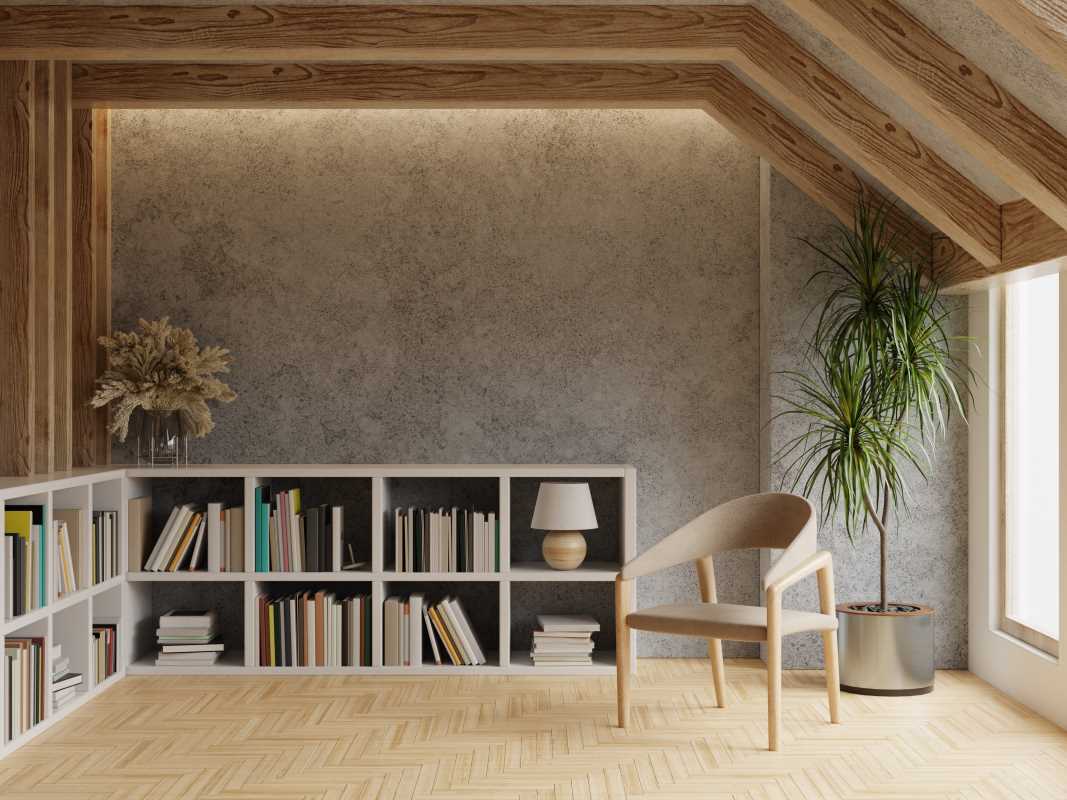
- A Reading Nook: Place a comfortable armchair, a small side table, and a floor lamp in a quiet corner. This creates a cozy spot for one person to relax without being in the main traffic flow.
- A Small Workspace: If your living room needs to double as an office, you can tuck a slim desk and a chair against a wall behind the sofa. This keeps work-related items contained and visually separate from the relaxation zone.
- A Game Table: A small round table with two chairs near a window can be a perfect spot for playing board games, doing a puzzle, or enjoying a morning coffee.
Creating these zones gives different parts of the room a clear purpose. It allows multiple activities to happen at once without feeling chaotic and helps distribute furniture more evenly throughout the space.
Step 4: Layer in Lighting and Rugs
Rugs and lighting are powerful tools for defining zones and enhancing flow. An area rug should be large enough that at least the front legs of all the furniture in your main conversation area can rest on it. This visually ties the grouping together and solidifies it as a defined zone. Using a separate, smaller rug for a secondary zone, like a reading nook, can further enhance this effect.
Lighting should also be layered. Every room needs three types of lighting:
- Ambient: The main overhead light that illuminates the whole room.
- Task: Focused light for specific activities, like a floor lamp next to a reading chair or a table lamp on a console.
- Accent: Softer light that adds mood and highlights features, like a picture light over artwork or an uplight behind a plant.
By placing lamps strategically, you can draw people into different zones and make the entire room feel warmer and more inviting. Good lighting ensures that no corner of the room feels dark and forgotten, which improves the overall sense of balance and flow.