 (Image via
There’s a special kind of magic that happens when you take the party outside. The open air, the evening breeze, and the soft glow of string lights create an atmosphere of relaxed conviviality that is hard to replicate indoors. As we increasingly treat our backyards and patios as true extensions of our homes, the demand for stylish and functional outdoor furniture has grown. At the center of any great outdoor gathering space is often a bar—a place to mix drinks, serve snacks, and lean against while chatting with friends. While you could buy a generic metal or plastic bar cart, there is an option that brings unparalleled character, history, and rustic charm to your space: a reclaimed wood bar. Each knot, nail hole, and saw mark in reclaimed wood tells a story, infusing your outdoor entertaining area with a sense of soul and authenticity that brand-new materials simply cannot match. It’s a sustainable choice that looks incredible and serves as an instant conversation starter for your next backyard bash.
The Beauty and Benefits of Reclaimed Wood
So, what exactly is reclaimed wood? It is lumber that has been salvaged from old structures destined for demolition, such as barns, warehouses, factories, and even old wine barrels. Instead of ending up in a landfill, this aged wood is given a new life. Choosing reclaimed wood for your outdoor bar isn't just an aesthetic choice; it comes with a host of practical benefits.
First, there's the unmatched character. This is wood that has stood the test of time, weathering seasons and developing a rich patina and deep, complex grain patterns that are impossible to fake. The wood might come from century-old oak beams or sturdy heart pine floor joists, and it carries the history of its former life with it. This built-in story adds a layer of depth and personality to your backyard design.
Second is the durability. Wood from old-growth trees, which is what much reclaimed lumber is, is often denser and more stable than the fast-growing timber harvested today. It has spent decades expanding and contracting, so it's less prone to warping and splitting when exposed to the elements—a huge plus for outdoor furniture. Finally, it’s an environmentally conscious choice. By using salvaged wood, you are reducing landfill waste and decreasing the demand for newly harvested timber, helping to preserve our forests.
Design Ideas for Your Outdoor Bar
A reclaimed wood bar can be designed to fit any outdoor style, from modern rustic to bohemian eclectic. The key is to let the wood be the star of the show.
The Classic Pallet Bar
This is a fantastic and accessible DIY project. Shipping pallets are often made from sturdy wood and can be easily sourced for free or very cheap. Stand two pallets upright to form the front of your bar, and use a third, disassembled pallet for the sides and shelving. For the countertop, you can use a single, solid slab of reclaimed wood, polished and sealed, to create a smooth and durable surface for serving drinks. The contrast between the rough pallet wood and the finished top creates a beautiful rustic-industrial look.
The Polished Beam Bar
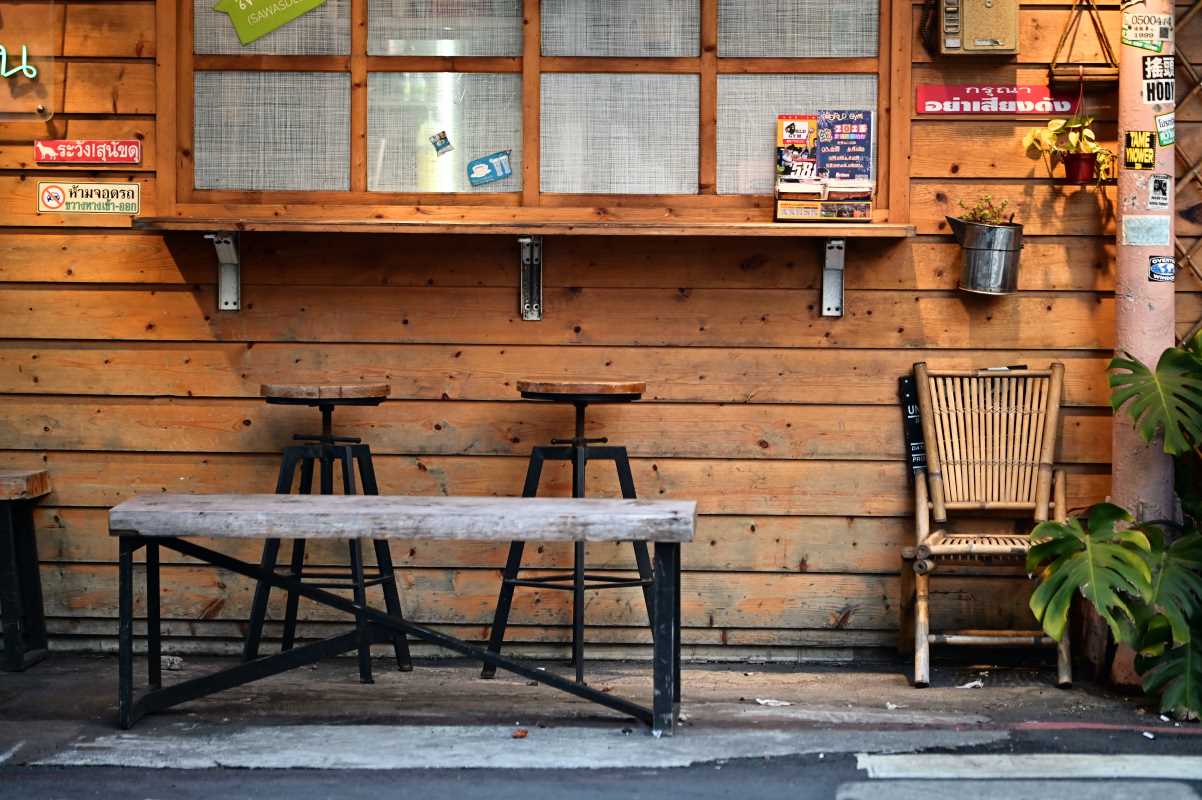
For a more substantial and sophisticated look, consider using large, reclaimed structural beams. These can be used to create a solid, blocky bar that feels permanent and impressive. A design that uses thick posts for the corners with a wide slab for the countertop has a strong, architectural presence. This style works beautifully on a stone patio and pairs well with metal bar stools for a modern farmhouse aesthetic.
The Fold-Down Murphy Bar
If you are short on space, a fold-down "Murphy" bar is a brilliant solution. This is a shallow wall-mounted cabinet built from reclaimed wood that folds down to reveal a countertop and storage for bottles and glasses. When not in use, it folds back up, looking like a rustic piece of wall art. It’s a perfect addition to a small balcony or a tight patio space where a full-size bar would be too cumbersome.
Sourcing and Building Your Bar
Finding the right reclaimed wood is the first step in your adventure. Check with local salvage yards, architectural recycling centers, or even online marketplaces. When selecting your wood, look for pieces that are solid and relatively free of rot, though surface imperfections are part of the charm.
If you are building the bar yourself, make sure you have the right tools to work with aged, hardwood. You may need to de-nail the wood carefully before you start cutting. Remember to sand the surfaces that people will touch, especially the countertop, to avoid splinters. Leave other areas less finished to preserve the wood's rustic character.
The most critical step for an outdoor bar is the finish. Because the wood will be exposed to sun and rain, you must protect it. Use a high-quality outdoor-rated sealant, such as a marine varnish or a penetrating oil finish with UV inhibitors. This will help prevent the wood from graying, cracking, and absorbing moisture. You will need to reapply the finish every year or two to keep your bar looking its best.