 (Image via
When we think about designing a garden, we often get stuck thinking horizontally. We obsess over groundcovers, debate the layout of our beds, and worry about how wide our shrubs will spread. But a truly stunning garden engages the eye on multiple levels, and one of the best ways to break the monotony of a flat landscape is to think vertically. Enter the garden obelisk. These towering, tapered structures are the unsung heroes of landscape design. They act as architectural exclamation points, drawing the eye upward and adding a layer of sophistication that few other garden ornaments can match. Whether your garden is a sprawling country estate or a compact urban courtyard, an obelisk can transform a two-dimensional space into a dynamic, three-dimensional experience. It’s not just about giving your climbing plants a place to go; it’s about introducing form, structure, and a touch of timeless elegance to your outdoor sanctuary. If you feel like your garden is missing that special "something," the answer might just be pointing towards the sky.
Why Your Garden Needs a Vertical Lift
The benefits of incorporating obelisks go far beyond simple aesthetics. Functionally, they are powerhouses for maximizing space. If you have a small garden, growing upwards is the smartest way to fit more plants into a limited footprint. An obelisk allows you to grow vigorous climbers like clematis or sweet peas in a tight spot without them sprawling over your other precious perennials.
Visually, obelisks provide a permanent structure that remains interesting even in the depths of winter. While your hostas die back and your annuals fade, a well-chosen obelisk—whether made of rustic wood or classic iron—stands tall, providing a focal point when the rest of the garden is asleep. They also create a sense of discovery. Placed strategically, an obelisk can partially obscure a view, inviting you to walk around it to see what lies behind, adding mystery and depth to your garden layout.
Choosing the Right Material for Your Style
Obelisks come in a surprising variety of materials, and your choice will significantly impact the mood of your garden.
Classic Wood:
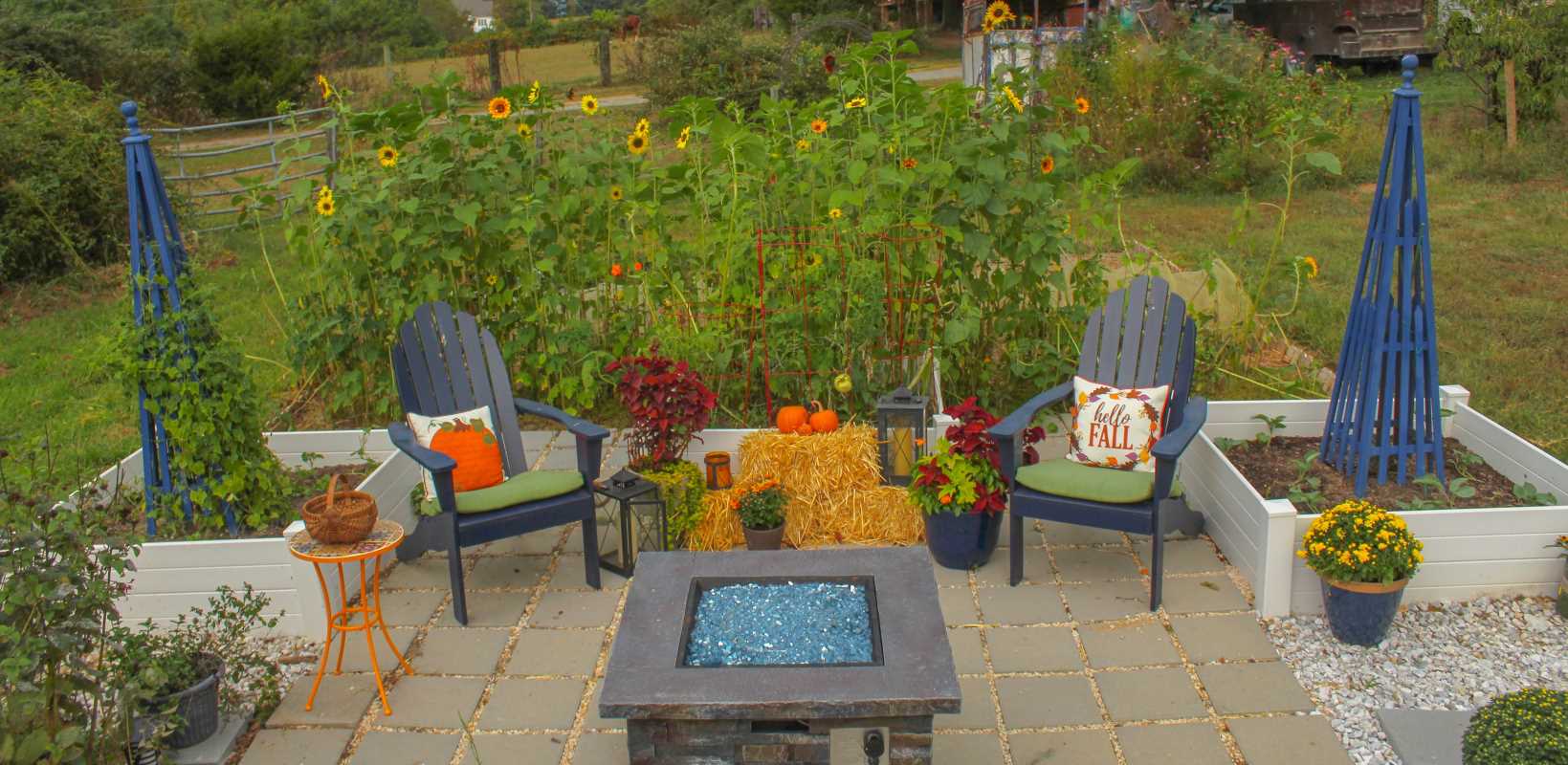
For a traditional, cottage-garden feel, wood is the go-to choice. Cedar and teak are excellent options because they resist rot and age beautifully to a soft silvery-gray. You can paint wooden obelisks in soft sages or creams to blend with your foliage, or go bold with a deep tague blue or charcoal for a modern, architectural pop. Just remember that wood will eventually succumb to the elements, so be prepared for some maintenance or replacement down the line.
Wrought Iron and Steel:
If you prefer something more permanent and perhaps a bit more formal, metal is the way to go. A rusted steel obelisk adds a wonderful, earthy texture that looks fantastic in naturalistic or prairie-style plantings. On the other hand, a black powder-coated iron structure offers a crisp, clean line that suits formal English gardens or contemporary spaces perfectly. Metal obelisks are generally stronger than wood, making them the better choice for heavy climbers like wisteria or large climbing roses.
Willow and woven branches:
For a rustic, ephemeral look, woven willow or hazel obelisks are charming. They feel incredibly organic, almost like a bird's nest turned into a tower. These are often less expensive and perfect for annual vegetable gardens, supporting beans or peas for a season or two before naturally decomposing.
Placement
Where you place your obelisk is just as important as what it looks like. A common mistake is plonking one right in the center of a lawn like a lonely lighthouse. Instead, try integrating it into your planting beds.
The Anchor: Use a pair of matching obelisks to frame an entrance or a pathway. This creates a sense of symmetry and grandeur, welcoming visitors into a new section of the garden.
The Focal Point: Place a tall obelisk at the end of a long view or path to draw the eye through the space. This trick makes a garden feel longer and deeper than it actually is.
The Bed Riser: In a deep flower border, tuck an obelisk into the middle ground. It breaks up the "sea of green" and prevents the planting from looking too flat. Just make sure it’s tall enough to rise above the surrounding perennials so it doesn't get swallowed up by mid-summer growth.
Perfect Plant Pairings
While an obelisk is beautiful on its own, it really comes alive when dressed in foliage and flowers. The key is to match the plant's vigor to the structure's strength.
- Clematis: The undisputed queen of obelisk climbers. Most varieties are relatively lightweight and wrap their leaf stems eagerly around the supports. Combine a spring-flowering variety with a summer-flowering one on the same obelisk for a long season of color.
- Climbing Roses: Choose "pillar" roses or shorter climbers rather than ramblers, which will quickly overwhelm a standard obelisk. The combination of structural metal and soft rose blooms is a classic for a reason.
- Sweet Peas: For a fragrant, cottage-style look, annual sweet peas are perfect. They need a bit of help getting started (tying them in), but once they take off, they create a column of scent and color.
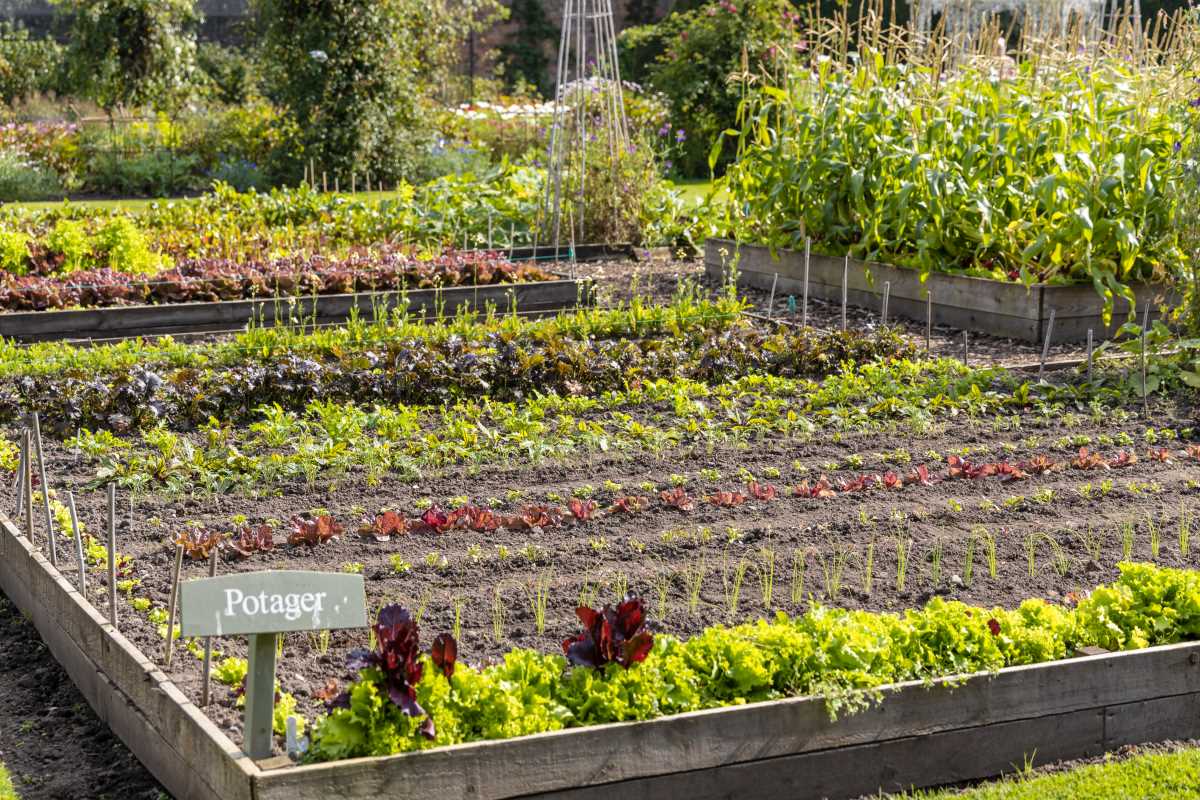
- Vegetables: Don't limit obelisks to the flower garden. Scarlet runner beans, climbing French beans, or even cucumbers look fantastic growing up a rustic wooden obelisk in a potager or kitchen garden, turning food production into an ornamental feature.