 (Image via
We love our pets. We really do. They are our best friends, our confidants, and the unparalleled champions of greeting us at the door after a long day. But let’s be honest for a moment: they are also tiny, furry agents of chaos when it comes to interior design. If you share your home with a four-legged friend, you are intimately familiar with the struggle. You know the heartbreak of watching a brand-new linen sofa turn into a scratching post within a week. You understand the panic of seeing muddy paw prints on a pristine white rug. For a long time, the prevailing wisdom suggested that you had to make a binary choice: you could either have a stylish, magazine-ready home, or you could have pets. You couldn't have both.
Fortunately, that binary choice is a myth. The days of covering your furniture in plastic or resigning yourself to a house that looks like a kennel are over. Modern interior design has embraced the reality that pets are family, and the market has responded with incredible innovations in performance fabrics, durable materials, and pet-specific furniture that is actually beautiful. Designing a pet-friendly home doesn’t mean sacrificing your aesthetic; it just means being smarter about your choices. It requires looking at your living space through the eyes of your cat or dog and anticipating their needs—and their messes. By selecting the right materials and incorporating clever design hacks, you can create a living space that is safe and comfortable for your pets while remaining sophisticated and stylish for you.
Fabrics That Forgive (and Forget)
The single biggest battleground in a pet-friendly home is the sofa. It is the centerpiece of the living room and the favorite napping spot for most dogs and cats. Choosing the wrong fabric here is a costly mistake.
When shopping for upholstery, you need to think about two things: claws and stains. Avoid loose weaves like tweed, linen, or chenille. While they look lovely, their loop structures are essentially Velcro for claws. A cat kneading its paws or a dog digging for a comfortable spot will snag these threads instantly, unraveling the fabric and leaving it looking tattered.
Instead, gravitate toward velvet. It sounds counterintuitive because velvet feels luxurious and delicate, but tight-weave synthetic velvet is actually one of the most durable fabrics you can buy. Because it has no loops, there is nothing for claws to catch on. Pet hair also tends to ball up on the surface rather than embedding itself into the fibers, making it easy to wipe away with a damp hand or a lint roller.
Microfiber and microsuede are other fantastic options. These synthetic fabrics are incredibly tight-woven, making them resistant to scratching and digging. They are also hydrophobic to a degree, meaning spills (or accidents) tend to bead up rather than soak in immediately, giving you precious seconds to grab a towel.
For a sleeker look, leather (or high-quality vegan leather) is a classic choice. It is easy to wipe clean and generally doesn't hold onto odors. However, be aware that leather will show scratches. Many pet owners actually appreciate this "distressed" patina over time, but if you want a pristine look, stick to high-performance synthetics.
Rugs That Can Handle the Zoomies
Rugs take the brunt of the abuse in a pet household. They face muddy paws, shedding fur, and the occasional digestive upset. High-pile rugs like shag or faux fur might feel great underfoot, but they are a nightmare for pet owners. They trap dirt and dander deep in the fibers where a vacuum can’t reach, and cleaning a liquid mess out of a shag rug is nearly impossible.
For a living room that needs to survive pets, low-pile or flatweave rugs are your best bet. They are easier to vacuum and generally hold up better to heavy traffic. Material matters just as much as pile height. Wool is naturally durable and stain-resistant due to the lanolin in the fibers, making it a solid investment.
However, the true secret weapon of pet-friendly designers is the indoor/outdoor rug. These aren't the scratchy plastic mats of the past. Modern indoor/outdoor rugs are often made from soft recycled polyester that feels similar to wool but is virtually indestructible. You can scrub them vigorously, bleach them (check the label first, but often you can!), and in worst-case scenarios, drag them outside and hose them down. They come in stunning patterns and colors that look perfectly at home in a chic living room.
Speaking of patterns, use them to your advantage. A solid-color rug, especially in very dark or very light shades, will highlight every single pet hair. A rug with a busy pattern, intricate design, or heathered texture will camouflage stray fur and minor stains between vacuuming sessions.
Furniture with Legs and Logic
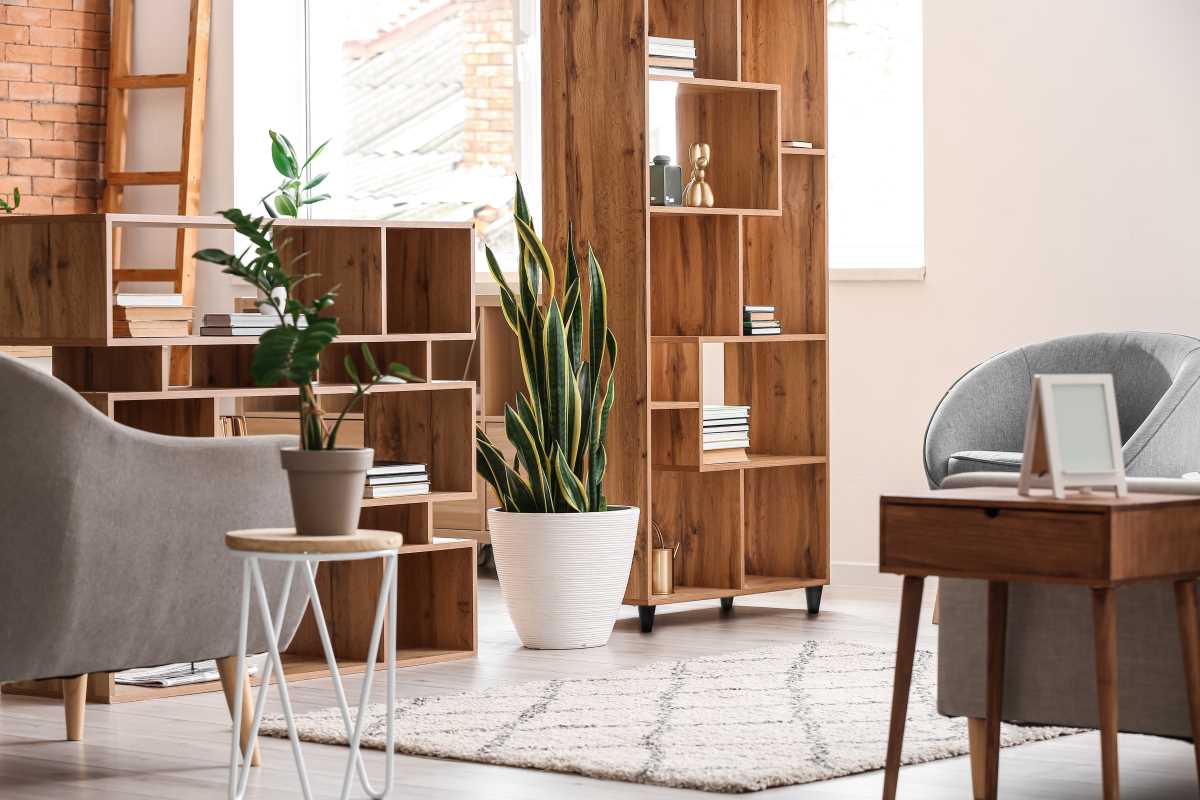
Beyond the fabric, the physical structure of your furniture plays a role in how pet-friendly your space feels. Consider choosing sofas and armchairs with exposed legs rather than skirts or bases that sit flush with the floor.
Furniture with legs creates open space underneath. This serves a dual purpose. First, it prevents dust bunnies and fur tumbleweeds from accumulating unseen. You can easily run a vacuum or a mop under the sofa without having to move heavy furniture. Second, it eliminates a common hiding spot for nervous pets or toys. If your cat knocks a mouse toy under a skirted sofa, you might not find it for years. With raised furniture, you can see and retrieve items easily.
You should also consider the edges of your furniture. Coffee tables and side tables with rounded edges are safer for dogs with "happy tails" (the ones who wag their tails so hard they knock things over) and for pets engaging in high-speed chase sequences through the living room. Metal and wood are great materials for tables, as they are easy to clean and chew-resistant compared to wicker or rattan, which many cats find indistinguishable from a scratching post.
The Art of Disguising Pet Gear
One of the biggest design challenges is what to do with the "stuff"—the crates, the litter boxes, and the beds. These items are necessities, but they are rarely designed with aesthetics in mind. The solution is to look for decor that doubles as pet gear, or "hacks" that hide these items in plain sight.
The Hidden Litter Box:
No one wants to look at a litter box in the living room. Fortunately, you can now buy (or DIY) stylish credenzas and side cabinets that conceal the box inside. These pieces look like standard mid-century modern or farmhouse furniture, with a discrete entry hole cut into the side for the cat. Inside, there is room for the pan and supplies. It keeps the mess contained, the odor managed, and the aesthetic intact.
The Crate Credenza:
For dogs who are crate-trained, the wire crate can be a bulky eyesore. Look for wooden crate covers or furniture-style crates that serve as end tables or console tables. These blend seamlessly with your decor, providing a safe den for your dog while offering you a surface for a lamp and a stack of books.
Beds That Match:
Stop buying the generic beige or neon-colored pet beds from the big-box store. Treat a pet bed like a throw pillow—it should coordinate with your room's color palette. Look for beds with removable, washable covers in trendy fabrics like boucle or tweed-look polyester. If you have a blue velvet sofa, a complementary patterned bed can look like a deliberate design choice rather than an afterthought.
Vertical Territory: Cat Shelves and Perches
If you have cats, "pet-friendly" means thinking vertically. Cats feel safest when they are high up, surveying their kingdom. In the past, this meant a carpet-covered cat tree that dominated the corner of the room.
Today, you can install floating cat shelves that look like modern art. These sleek, wall-mounted platforms allow your cat to climb, scratch, and lounge without touching the floor. You can arrange them in steps up a wall, leading to a hammock or a perch above a window. By using wood finishes that match your bookshelves or media console, these shelves become part of the room's architecture. It creates a "superhighway" for your cat that keeps them off your counters and sofas while enriching their environment.
Safe Greenery
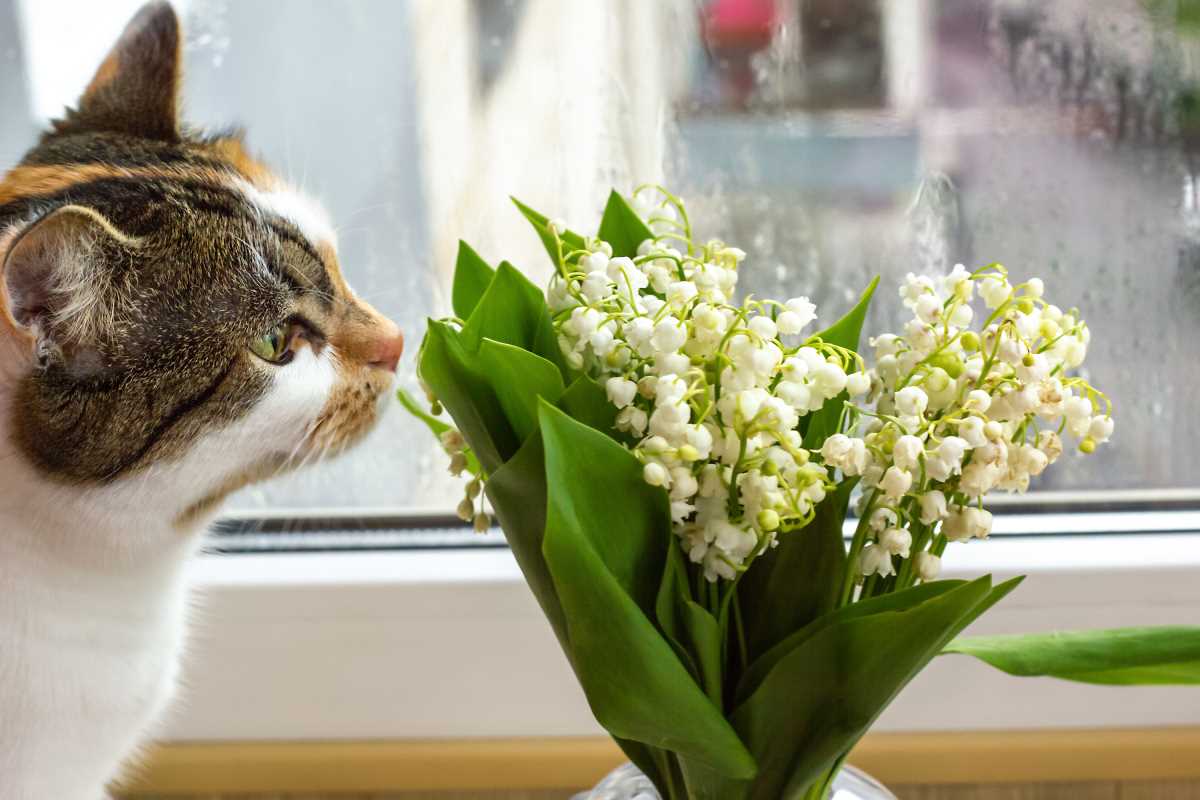
Plants breathe life into a living room, but many common houseplants are toxic to cats and dogs. Lilies, sago palms, and philodendrons can be deadly if ingested. Before bringing any greenery home, verify its safety with the ASPCA toxic plant list.
Safe, stylish options include the Spider Plant, Boston Fern, Parlor Palm, and Calathea. If you absolutely love a plant that is mildly toxic (like a Monstera), use your decor to keep it out of reach. Hanging planters, wall-mounted pots, and tall, narrow plant stands can keep foliage away from curious snoots. Alternatively, enclosed terrariums are a beautiful way to display delicate or dangerous plants safely behind glass.
Styling for Safety
Finally, think about your accessories. The "tail sweep" is a real danger for breakables on low coffee tables. Use museum wax (also known as quake hold) to secure vases, sculptures, and decorative objects to your shelves and tables. This clear, removable wax keeps items firmly in place even if bumped by a playful paw.
When it comes to throw blankets, they are your best friend. A stylish throw blanket casually draped over the arm of a chair isn't just a cozy accent; it's a shield. Train your pet to sleep on the blanket rather than directly on the upholstery. It is much easier to wash a throw blanket once a week than it is to steam clean a sofa.